The Great Migration
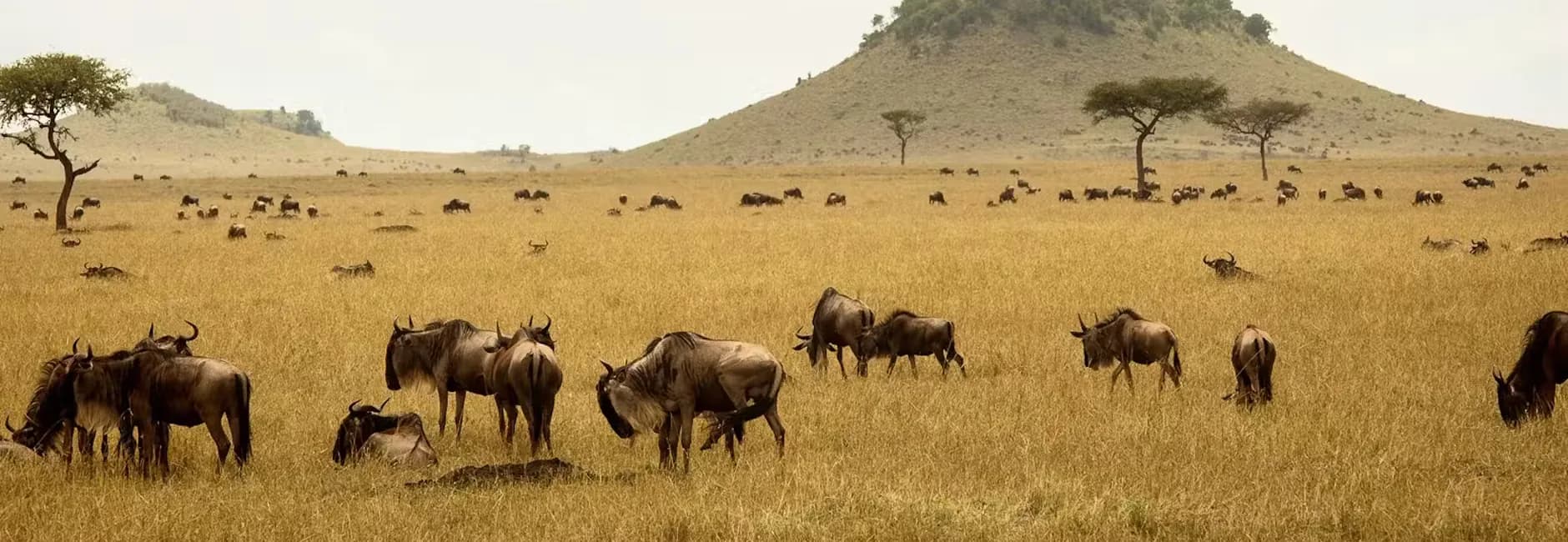
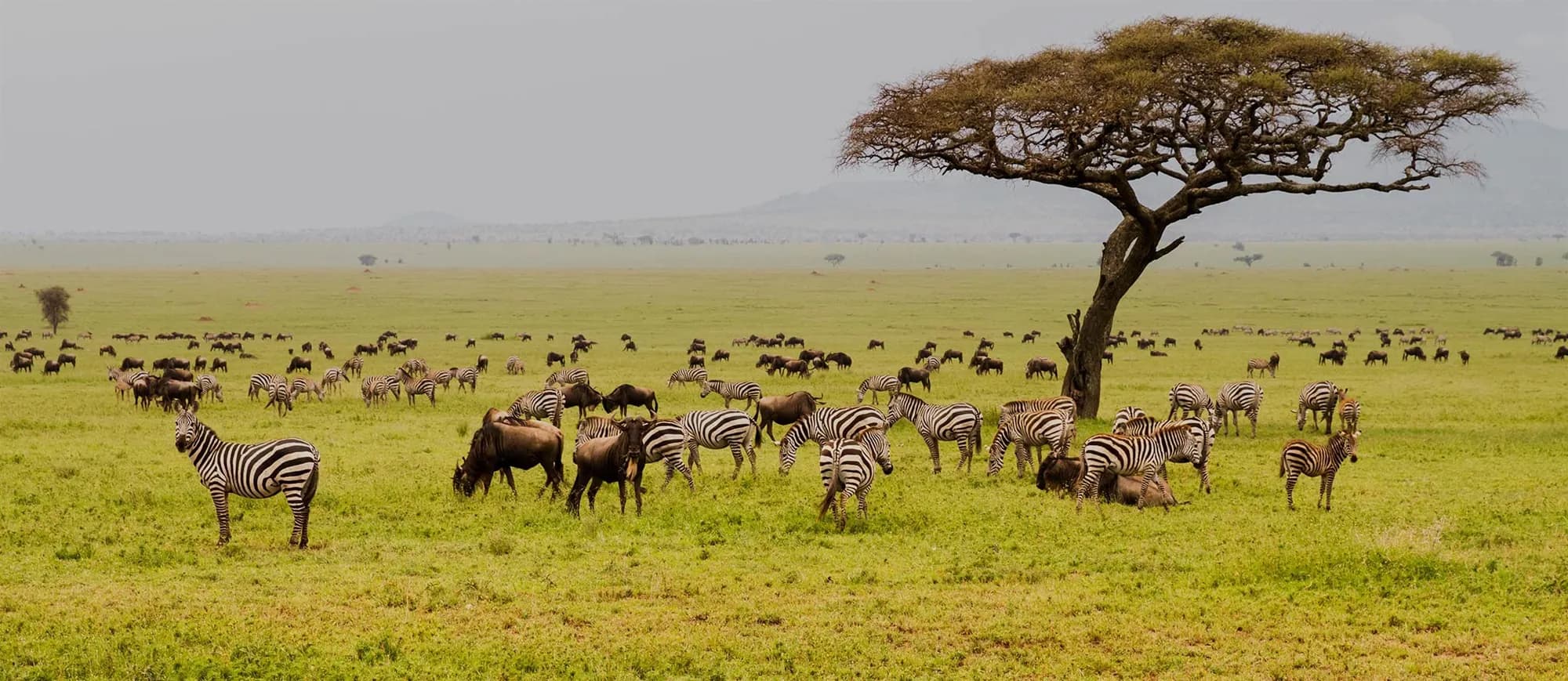
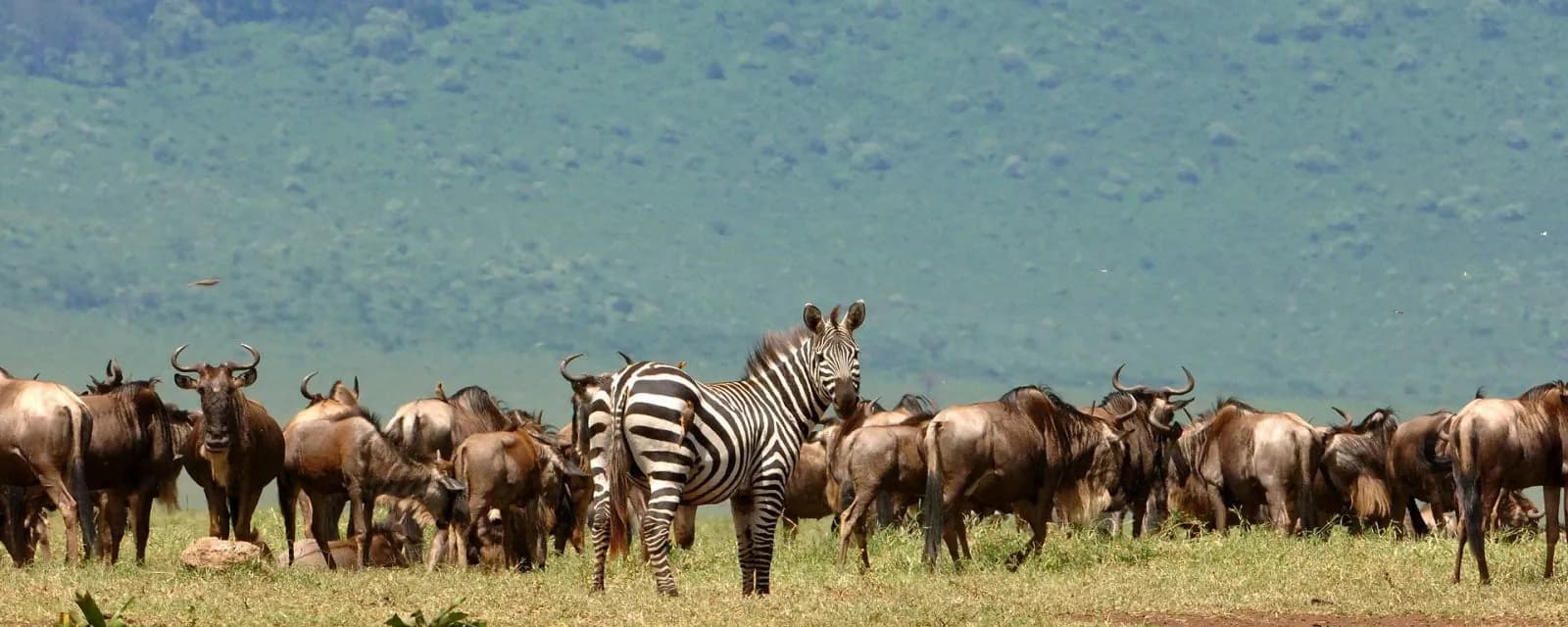
The herds spend most of the year in the Serengeti, moving with the rain.
Tanzania · Northern Tanzania
Endless plains, and the herds that cross them.
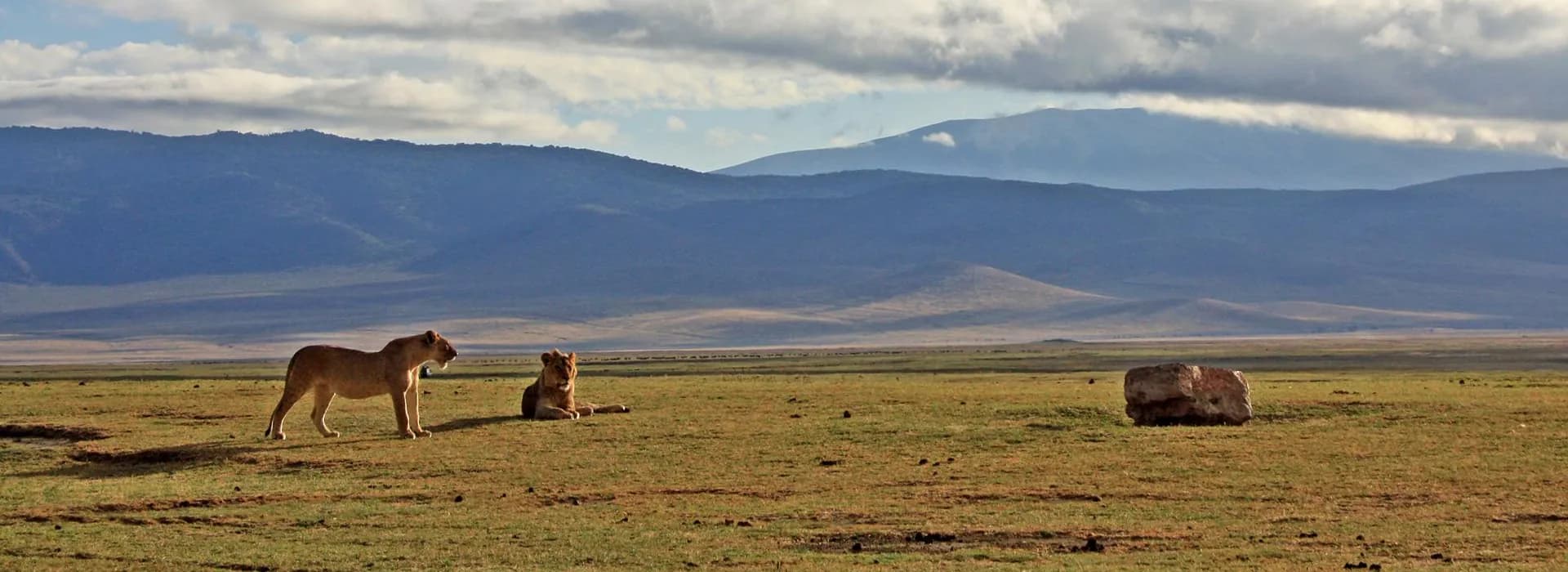
Serengeti National Park covers a huge area of northern Tanzania and is a UNESCO World Heritage Site. Its plains, kopjes and river woodlands host the largest share of the Great Migration and a strong population of predators.
The place
The Serengeti is big enough to feel very different from one area to another. The central Seronera area has year-round resident wildlife and rocky outcrops called kopjes; the southern plains around Ndutu are where the herds often calve early in the year; the north reaches up to the Mara River and the Kenyan border.
Most road safaris enter from the Ngorongoro side, via the Naabi Hill gate, after crossing the crater highlands. Several of our Kenya & Tanzania safaris also enter from the north, crossing from the Maasai Mara.
The national park covers nearly 15,000 square kilometres and is joined by protected areas on every side, including the Ngorongoro Conservation Area and Kenya's Maasai Mara. Its name is usually explained as coming from the Maasai word for endless plains.
Because the herds move through the year, where you stay in the Serengeti matters. The central Seronera area works in every season; the south suits the calving months early in the year and the north the second half of the year.
Planning notes
The appeal
The herds spend most of the year in the Serengeti, moving with the rain.
Kopjes and river valleys with resident predators all year.
Early in the year the southern plains often host calving herds and the predators that follow them.
Dawn balloon flights operate in parts of the park, at extra cost and subject to weather.
Wild encounters
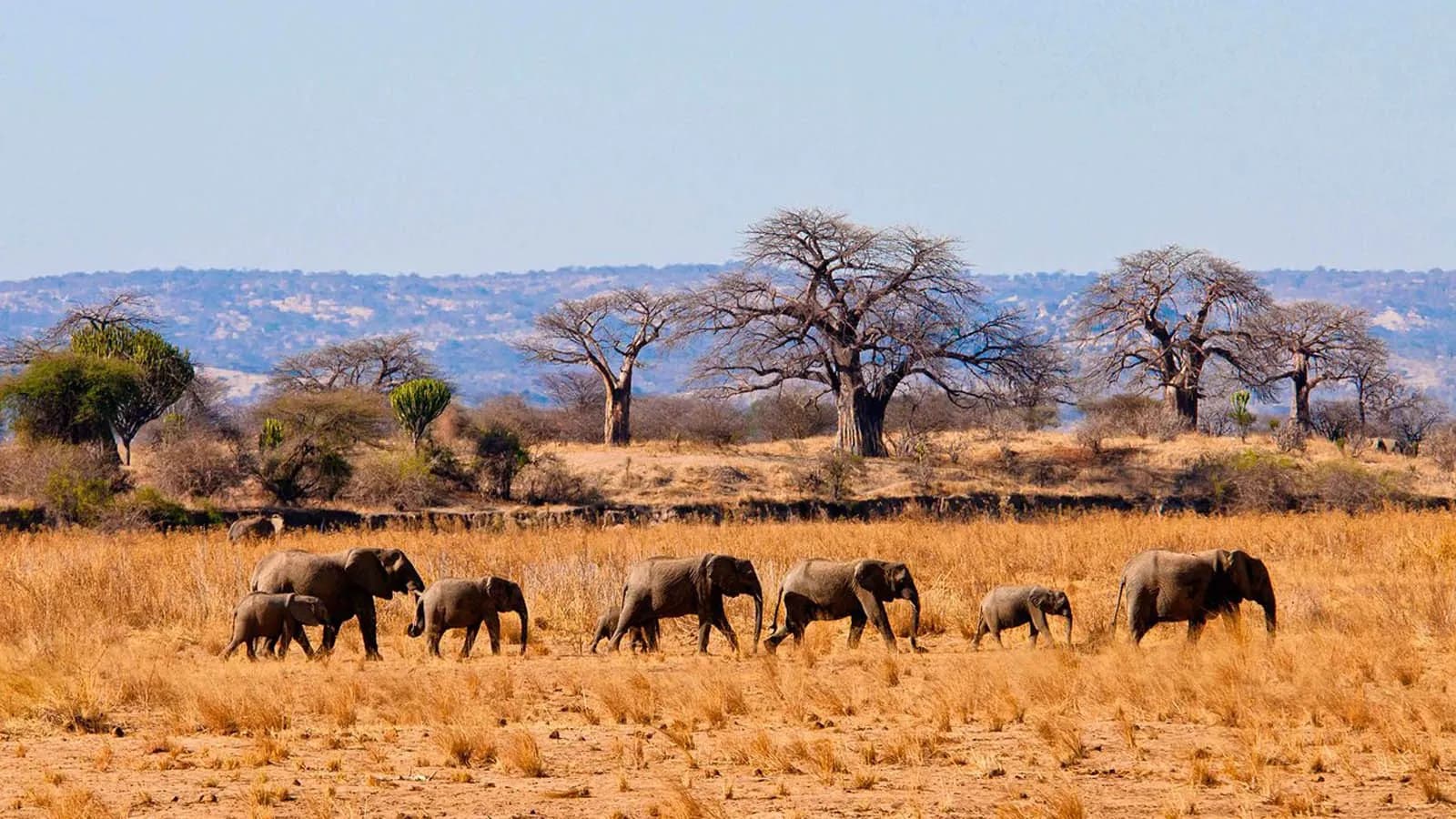
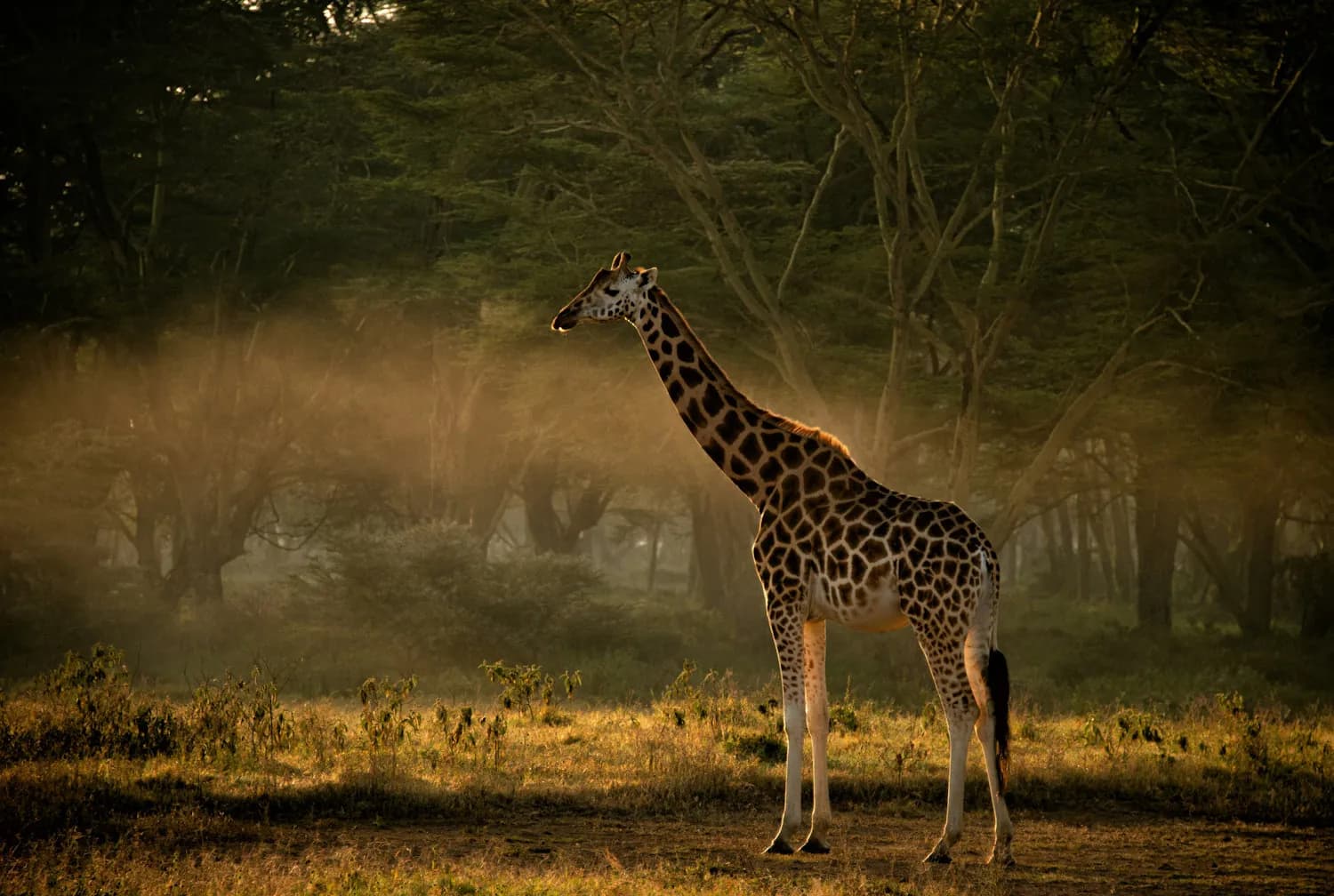
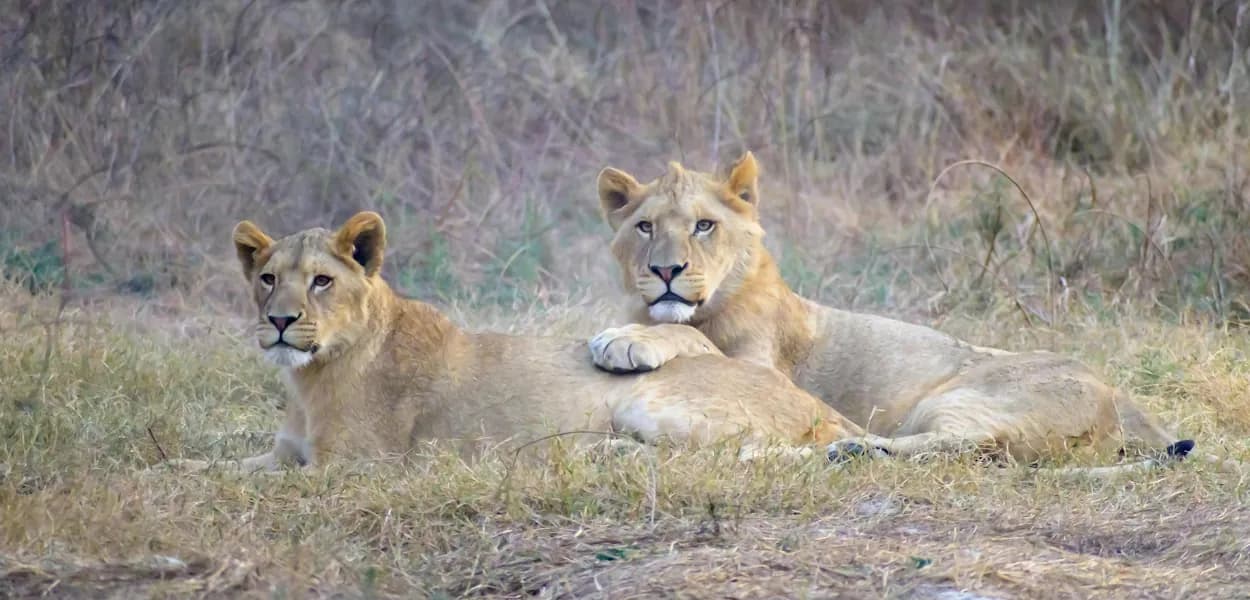
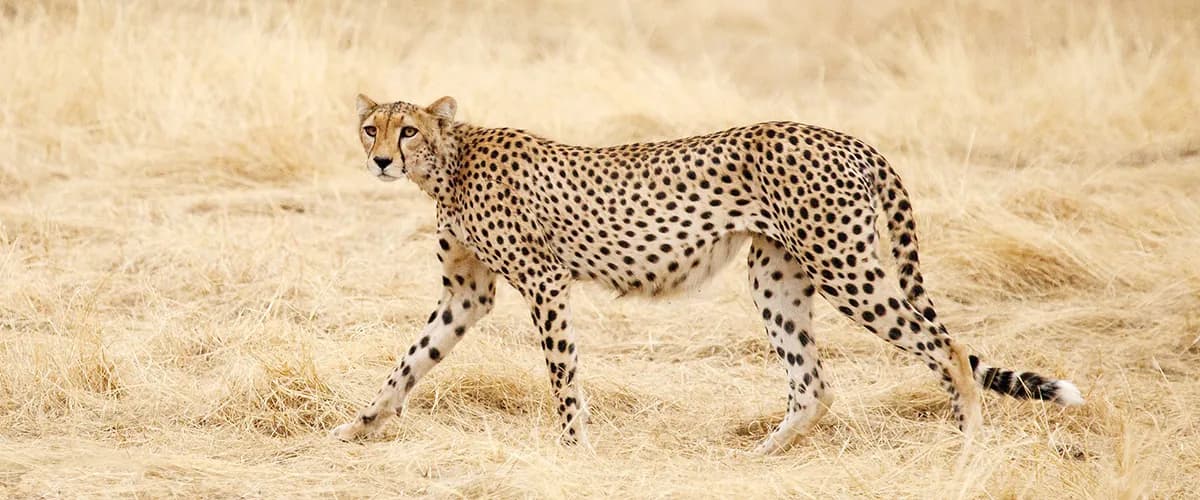
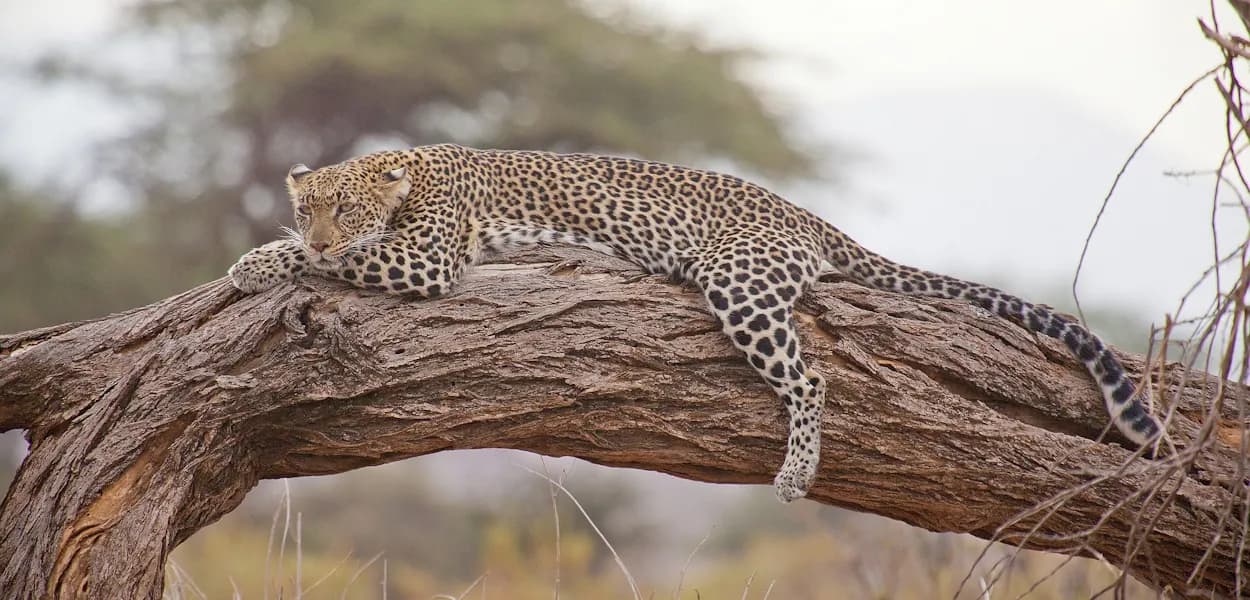
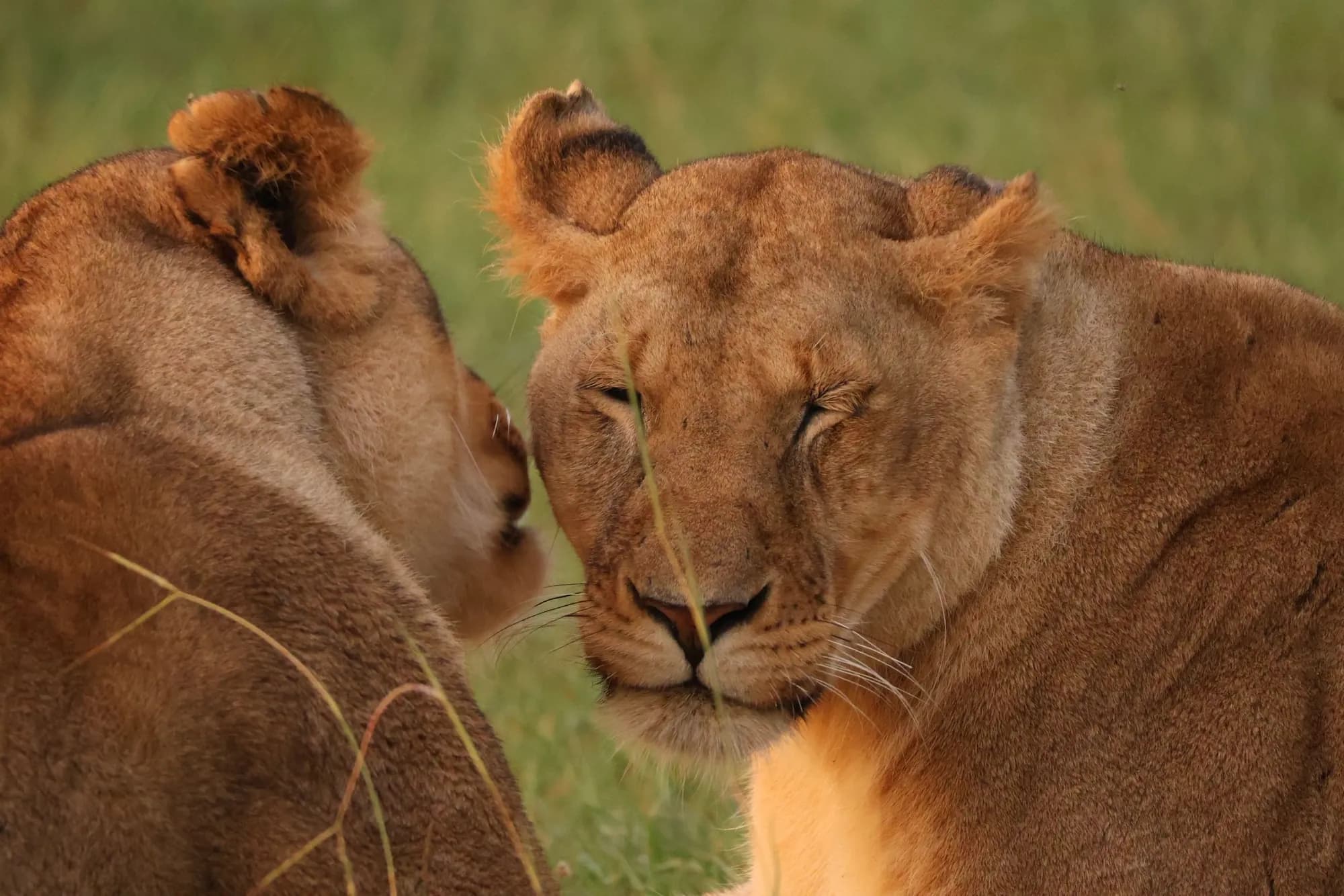
Wildebeest, zebras and gazelles; lions, cheetahs, leopards and hyenas; elephants, giraffes, buffalo and hippos. Wildlife is free-ranging, so sightings vary and can never be guaranteed.
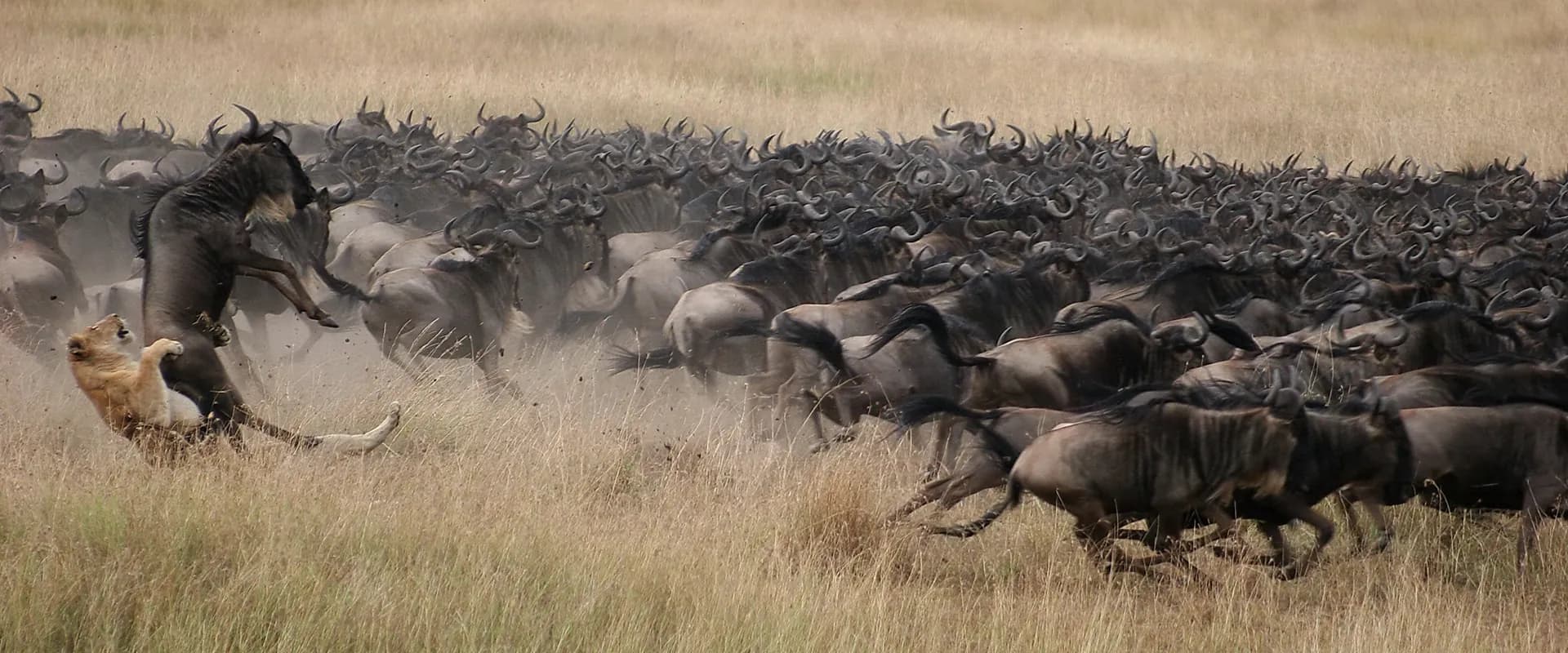
A journey in motion
Around two million wildebeest, zebras and gazelles move in a loop through the Serengeti and the Maasai Mara, following the rains and fresh grazing.
We plan around broad seasonal patterns, but herd movements vary each year. Sightings, calving and river crossings cannot be promised.
Travel through the year
The Serengeti is rewarding all year. Where to stay depends on the month, because the herds keep moving. These are broad patterns that vary with each year's rainfall.
Herds often in the south around Ndutu, with calving typically around January to March.
Long rains. The herds start moving north and west; some camps close.
Herds often in the central and western Serengeti, around the Grumeti River.
Herds often in the northern Serengeti and across the border in the Maasai Mara.
Short rains draw the herds back south through the central Serengeti.
Your way of travelling
Optional activities are arranged separately and may cost extra.
01
Granite outcrops rising from the plains, used by lions, leopards and klipspringers, and good places to scan for cats.
02
Your guide uses current reports to head for the herds, which may mean a long but rewarding day in the vehicle.
03
A dawn balloon flight over the plains, at extra cost and subject to weather, followed by breakfast in the bush.
04
A stop on the way between the Serengeti and Ngorongoro, with a small museum on human origins.
The way there
A long but scenic day via Lake Manyara and the Ngorongoro highlands, about six to eight hours to the central Serengeti.
Scheduled light-aircraft flights from Arusha and Kilimanjaro serve several Serengeti airstrips.
Crossing from the Maasai Mara via the Isebania border, as on several of our combined safaris.
Finding your pace
An afternoon and morning, as on short circuits.
A full day in the park, which we recommend as a minimum.
Time to follow the herds and explore more than one area.
Where to stay
Our budget safaris use the property below. Mid-range and luxury lodges and camps are agreed with you after you enquire, based on your dates and preferences.
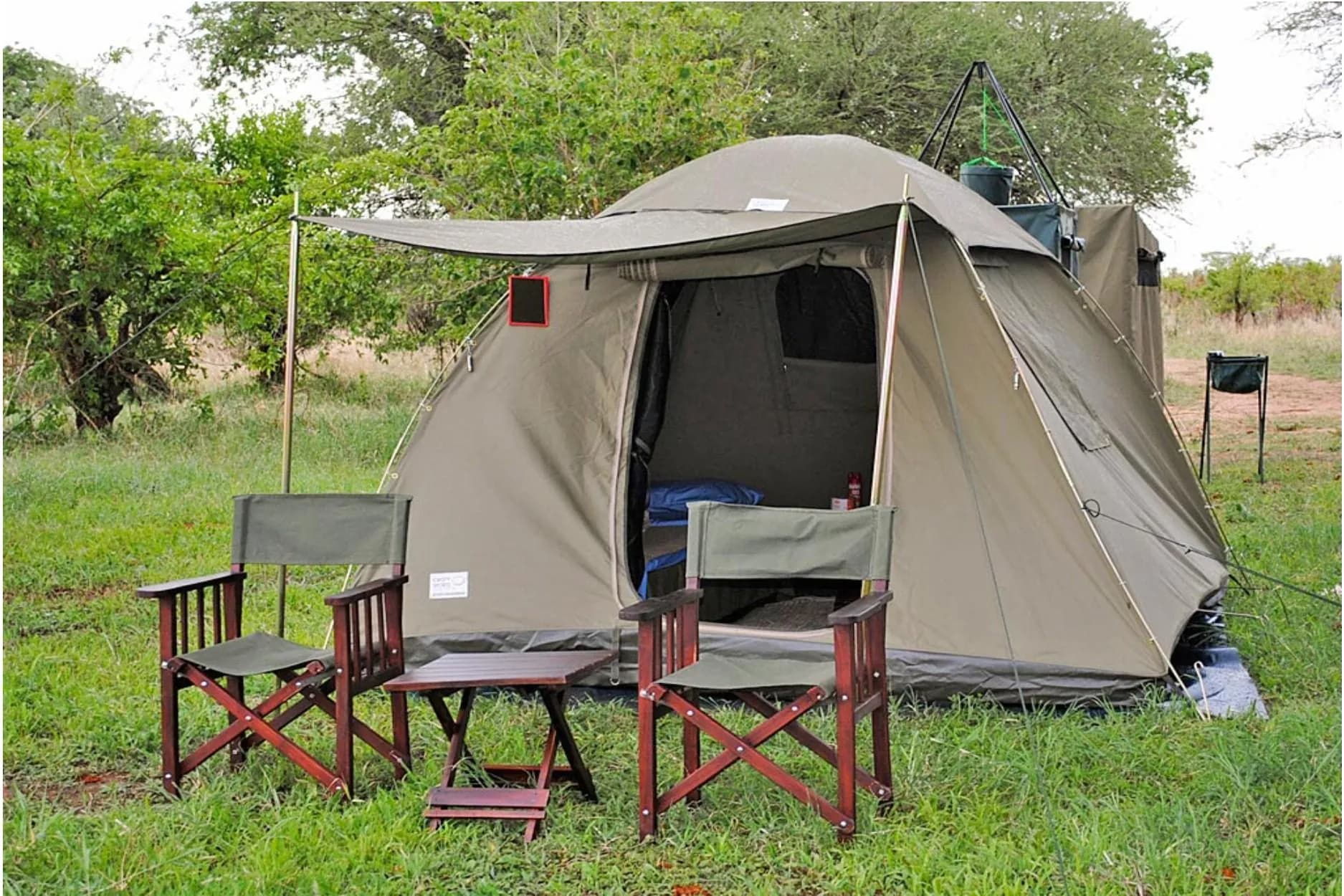
Safari campsite · Central Serengeti
Sleeping under canvas in the heart of the Serengeti.
Trip ideas
Short trip
4 Days Tarangire, Ngorongoro, Serengeti & Lake Manyara SafariArusha → Tarangire → Lake Manyara area → Serengeti → Ngorongoro → Arusha
Combine it
5 Days Best Tanzania Budget Safari Wildlife AdventureArusha → Lake Manyara → Serengeti → Ngorongoro → Arusha
The long way
14 Days Kenya & Tanzania Budget SafariNairobi → Maasai Mara → Nakuru → Lake Naivasha → Amboseli → Arusha → Tarangire → Lake Manyara → Serengeti → Ngorongoro → Arusha
22 safaris
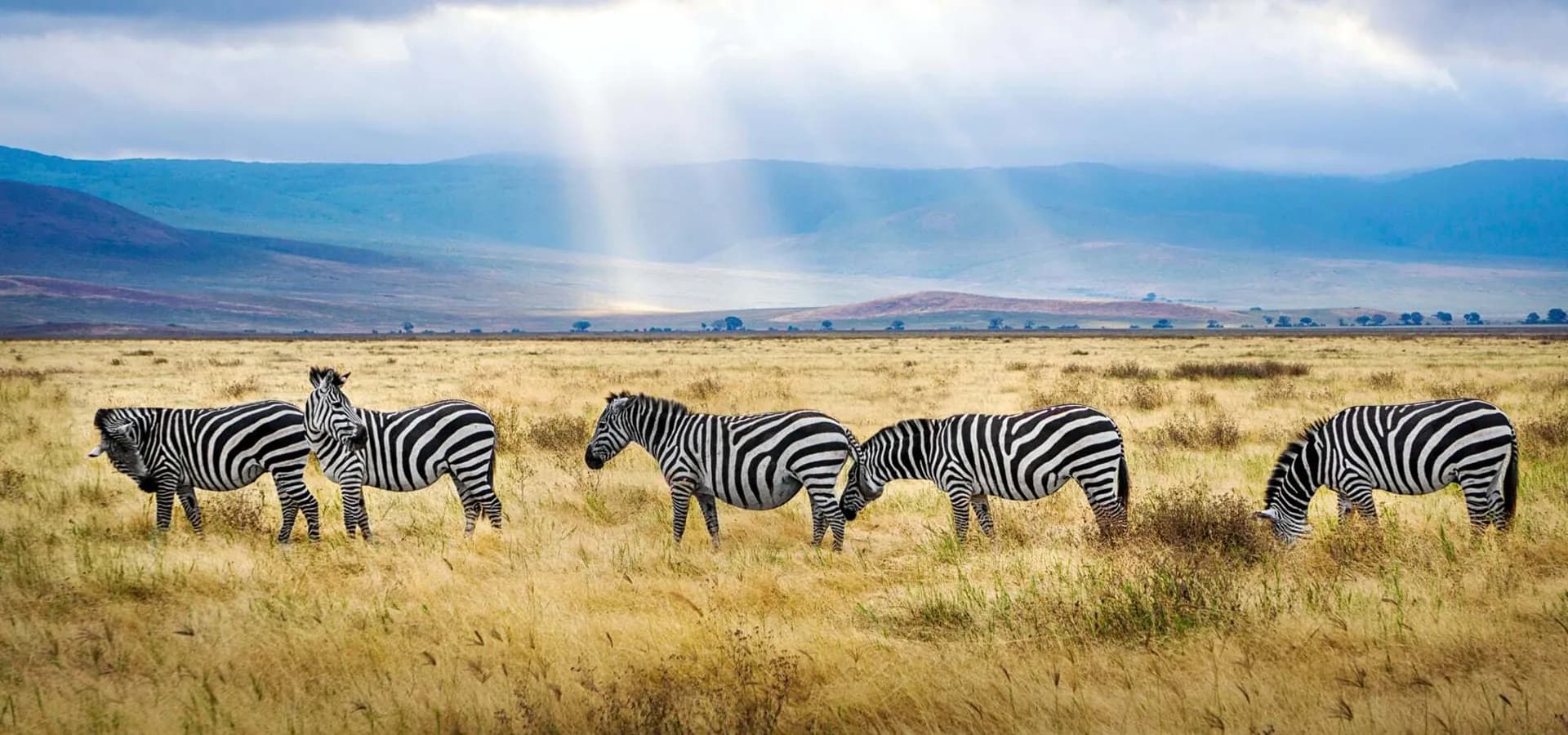
7 days · Tanzania · Private or group
The northern circuit, unhurried
Wildlife safari · Mid-range
Seven days through Tarangire, Lake Manyara, two nights in the Serengeti and the Ngorongoro Crater, with lodge stays and time to enjoy each place.
Price on request
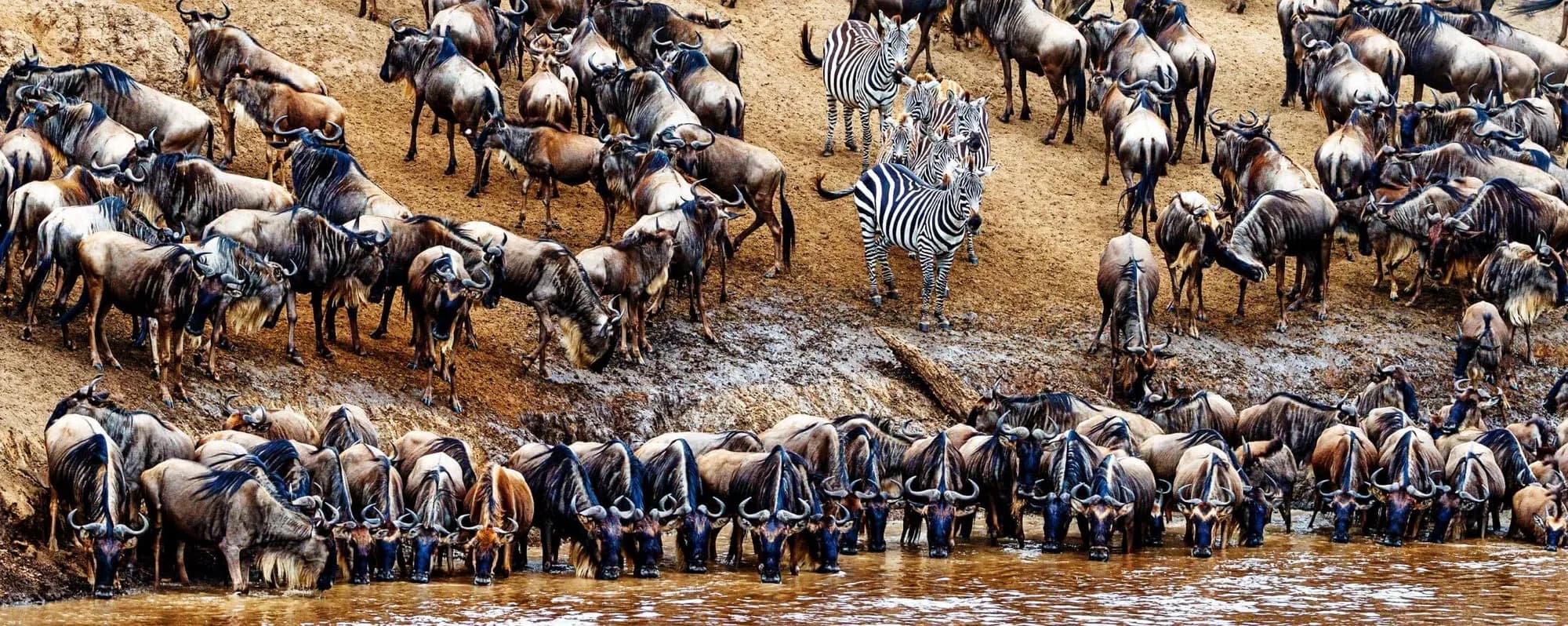
8 days · Tanzania · Private or group
Four nights in the Serengeti, planned around the herds
Wildlife safari · Mid-range
An eight-day safari with four nights in the Serengeti, positioned where the herds are likely to be for your dates, plus Tarangire and the Ngorongoro Crater.
Price on request
10 days · Kenya & Tanzania · Private or group
From Nairobi to Arusha the scenic way
Wildlife safari · Mid-range
A ten-day mid-range journey from Nairobi to Arusha: the Maasai Mara, Lake Naivasha and Amboseli in Kenya, then Tarangire, the Serengeti and the Ngorongoro Crater.
Price on request
4 days · Tanzania · Private or group
The northern circuit in four days
Wildlife safari · Budget
Northern Tanzania's highlights at speed: Tarangire, a night in the Lake Manyara area, an afternoon and morning in the Serengeti and a final day in the Ngorongoro Crater.
USD 830 pp
 Group joining
4 days · Tanzania · Group joining
Two nights in the Serengeti, then the crater
Wildlife safari · Budget
A Serengeti-focused safari from Arusha with an afternoon arrival drive, a full day following the herds where they are that season, and the Ngorongoro Crater on the way back.
Price on request
 Group joining
5 days · Tanzania · Group joining
Manyara, the Serengeti and the crater
Wildlife safari · Budget
Five days on a budget across northern Tanzania, with Lake Manyara, two nights in the central Serengeti and a final day in the Ngorongoro Crater.
Price on request
5 days · Tanzania · Private or group
Four parks, five days
Wildlife safari · Mid-range
A mid-range northern circuit covering Tarangire, Lake Manyara, the Serengeti and the Ngorongoro Crater, the area where all of the Big Five may be found.
Price on request
6 days · Tanzania · Private
Three nights in the Serengeti
Wildlife safari · Budget
A private camping safari with three nights in the central Serengeti, giving you two full days to follow the herds, plus Tarangire and the Ngorongoro Crater.
Price on request
6 days · Tanzania · Private
A private northern circuit with lodge stays
Wildlife safari · Mid-range
A private six-day lodge safari through Tarangire, Lake Manyara, two nights in the Serengeti and a final day in the Ngorongoro Crater.
Price on request
Beyond the Serengeti
Before you go
Road safaris involve long days; flights can shorten them.
Some wooded areas have tsetse flies; avoid dark blue and black clothing.
Common questions
Any time of year. Early in the year is often calving season in the south; the second half of the year often has the herds in the north. Patterns vary with rainfall.
Two nights is a good minimum; three or four nights gives you more time to follow the herds.
River crossings in the northern Serengeti and the Maasai Mara usually happen in the second half of the year, but they depend on the herds and can never be guaranteed.
Our budget safaris use Seronera Camp in the central Serengeti, a good base in every season. Mid-range and luxury camps are agreed after you enquire, often in the area where the herds are expected.
Yes. Scheduled light aircraft fly from Arusha and Kilimanjaro to several Serengeti airstrips, which saves a long road day. Baggage limits apply.
Your Serengeti journey
Explore safaris that include the Serengeti, or tell us how you would like to travel.