Safari Planning
When to go on safari in Kenya, Tanzania and Uganda
East Africa is a year-round safari destination, but the seasons shape the experience. Here is how the dry and rainy seasons affect game viewing, prices, trekking and travel.
By Absolute Holiday Safaris · · 3 min read
The seasons in brief
Close to the equator, East Africa's seasons are defined by rain rather than temperature. Kenya and northern Tanzania usually have two rainy seasons, with dry seasons between them.
- Long dry season: roughly June to October. Vegetation thins and animals gather near water, so game viewing is often easiest. It is also the busiest time.
- Short rains: usually November to December, often in brief afternoon showers.
- Short dry season: roughly January to February. Warm, with green landscapes.
- Long rains: roughly March to May. Quieter and greener, with lower rates in some places, although some camps close.
Timing by interest
- Great Migration: the herds are in the ecosystem all year; where they are depends on the month. See our Great Migration guide.
- General wildlife: the dry seasons are easiest, but resident wildlife is present all year.
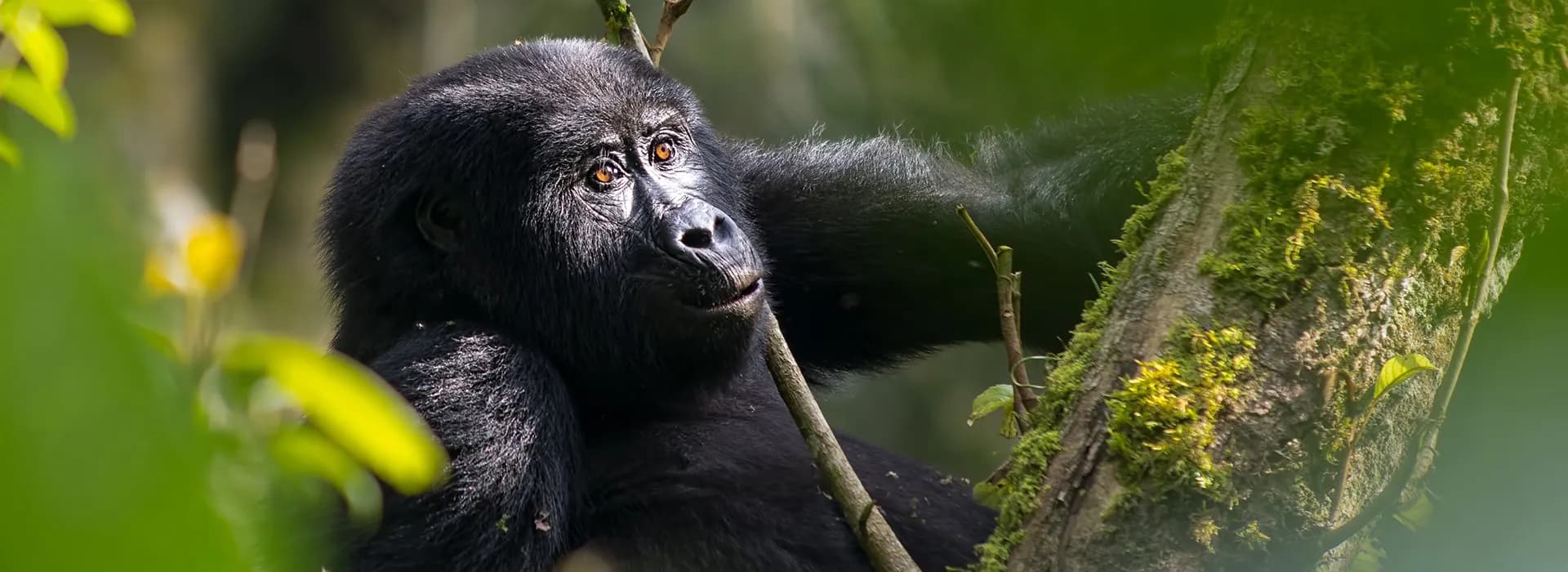
- Gorilla trekking: possible all year; the drier months are more comfortable on the trails.
- Kilimanjaro and Mount Kenya: January to early March and June to October are the main climbing seasons.
- Birdwatching: the green seasons bring migrant birds and breeding plumage.
Is the green season worth it?
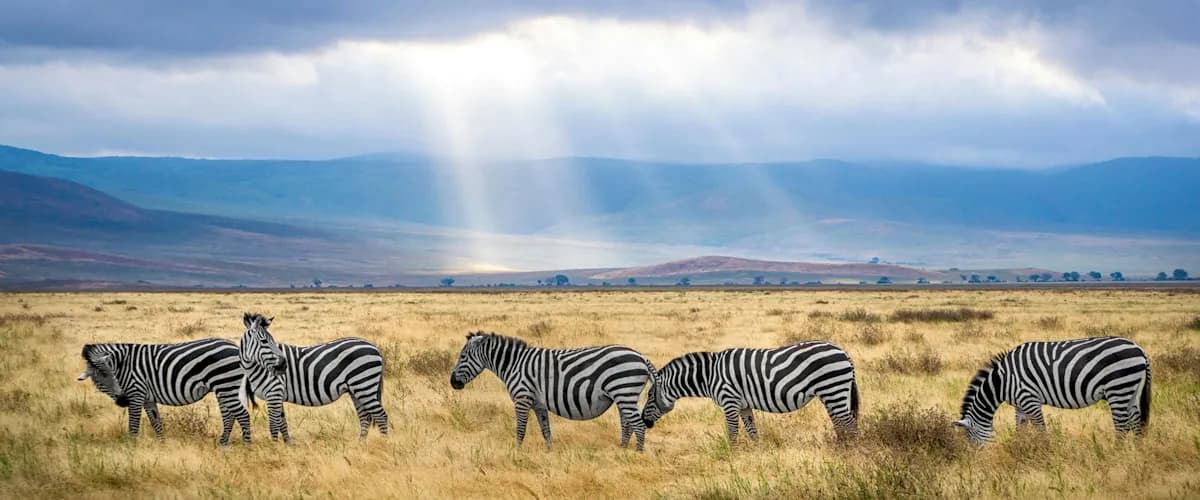
Travelling in the rains has real advantages: fewer vehicles, fresh landscapes, young animals and often better availability. Rain usually falls in heavy showers rather than all day, but some roads become muddy and some camps close.
If you are flexible and want value, the shoulder months either side of the rains can be a good compromise.
Questions
What is the best month for a Kenya safari?
July to October is the most popular because of the dry weather and the migration in the Mara, but January to February is also excellent and quieter.
Can I go on safari in the rainy season?
Yes. Most parks remain open, wildlife is still present, and it is often quieter. Expect some muddy roads and occasional changes to plans.